
Live Oak County Criminal Court Cases
Live Oak County criminal court cases divide by charge level. Texas district courts hear felonies. The Live Oak District Clerk keeps the felony files for the 36th, 156th, and 343rd District Courts. The clerk also lists files for the 2nd Multicounty Court at Law. Class A and B misdemeanor records generally begin at the county level, where the County Clerk is the practical records contact. Fine-only Class C charges and ordinance cases may stay in one of four justice courts or a city municipal court.
This split matters when a name search returns nothing. A District Clerk response does not cover every county, justice, or municipal docket. Start with the filed charge, not just the charge written at booking. The prosecutor may reduce, replace, or decline that first allegation. A cause number, filing year, and full legal name help the clerk locate the right file.
The official District Clerk page shows the felony custodian and the courts served.
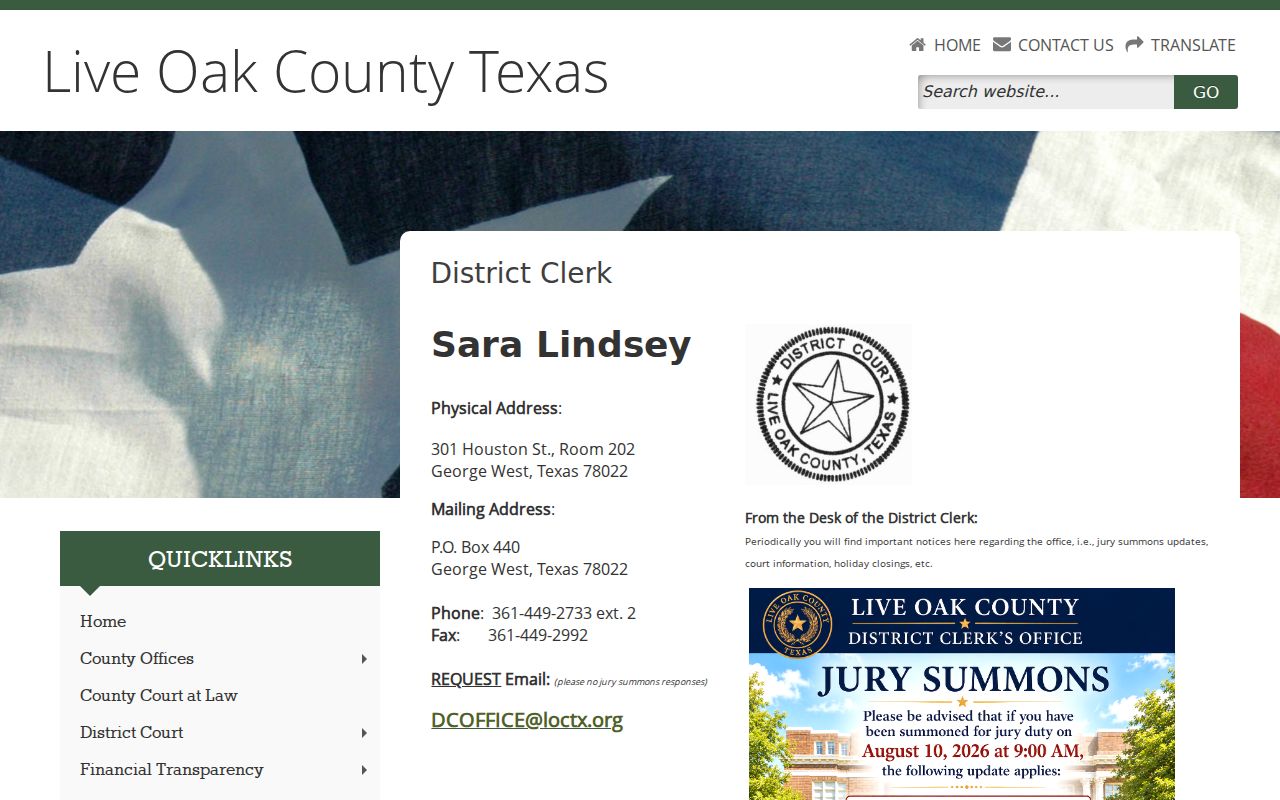
The page is the primary county source for district case requests, payment rules, and clerk contact details.
Live Oak County Court Record Map
Two George West sites hold much of the local case trail. Felony pleadings and many county files are kept at the historic courthouse, 301 Houston Street. The District Clerk is in Room 202 and the County Clerk is in Room 105. The 2nd Multicounty Court at Law lists the Live Oak Justice Center at 200 Larry R. Busby Drive. Justice court contacts are separate, which is important for a fine-only charge, magistration record, or precinct matter.
| Court or Custodian | Case Records | Contact |
|---|---|---|
| District Clerk | 36th, 156th, and 343rd District Court felony files | 301 Houston St., Room 202; 361-449-2733 ext. 2 |
| County Clerk | County-level criminal and misdemeanor files | 301 Houston St., Room 105; 361-449-2733 ext. 3 |
| 2nd Multicounty Court at Law | Assigned county-level criminal matters | 200 Larry R. Busby Dr.; 361-268-5001 |
| Justice Courts 1-4 | Fine-only and magistration matters within jurisdiction | Use the county justice court directory |
The 2nd Multicounty Court at Law page identifies its Justice Center contact.
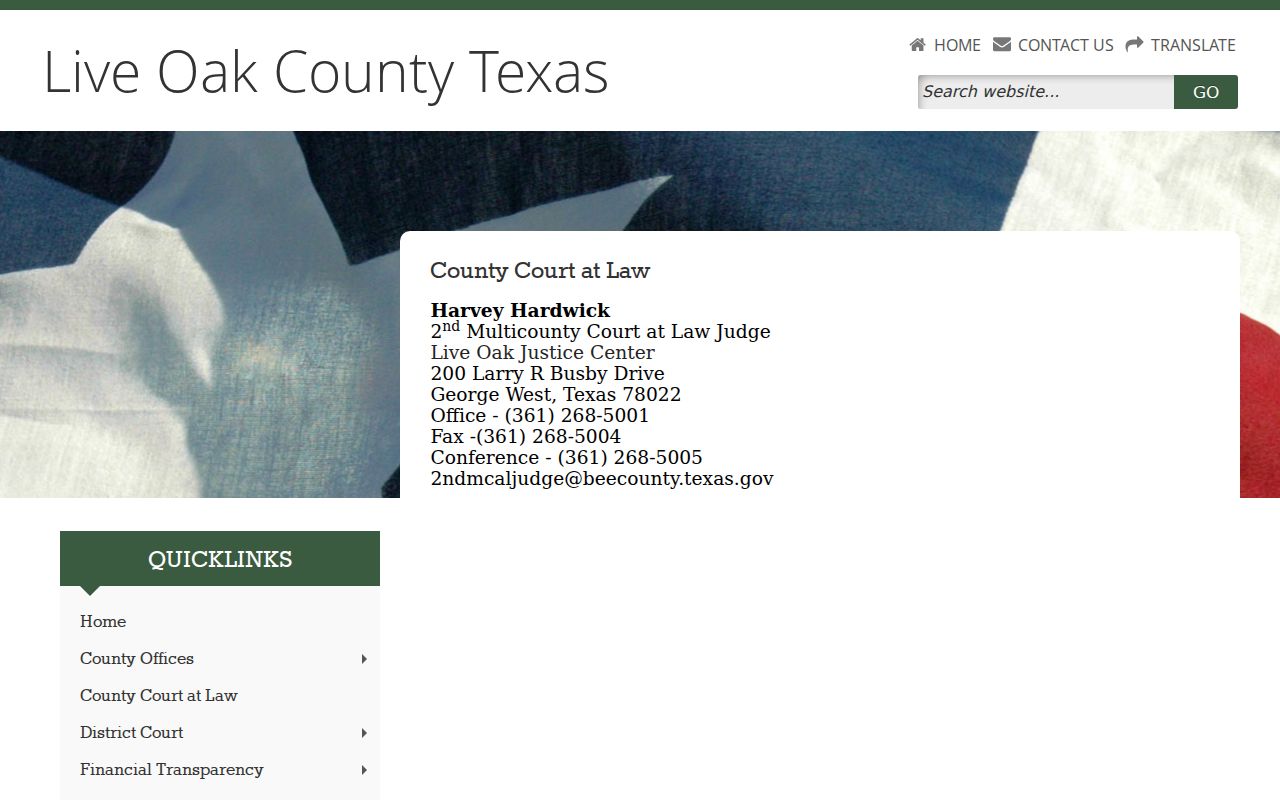
This county-specific page helps distinguish the court at law from the district and constitutional county courts.
Note: County pages conflict on one judge listing, so rely on the court name and clerk, then confirm the current judge before a hearing.
Searching Live Oak County Case Records
Local clerk contact is the dependable route because no county portal is documented as a complete name index. Ask for the docket sheet and final order, not merely a verbal status. Older or non-digitized files may require a staff search or public terminal. Use re:SearchTX only as a second check because county integration and public-document security settings can limit criminal material.
- Identify whether the filed matter is a felony, county misdemeanor, or fine-only case. If uncertain, begin with the charge level and arresting jurisdiction.
- Give the proper clerk the full name, approximate filing year, and cause number when known. District requests go to DCOFFICE@loctx.org; county requests go to request@loctx.org.
- Ask for the docket, charging instrument, judgment, sentence or deferred-adjudication order, and any dismissal or modification order.
- Check re:SearchTX by county, court, case, party, filing, or hearing. Treat a missing online result as inconclusive.
- Request ordinary or certified copies from the custodian. A certified judgment is the stronger record when an outcome must be shown.
The re:SearchTX portal offers several ways to narrow a statewide electronic court search.
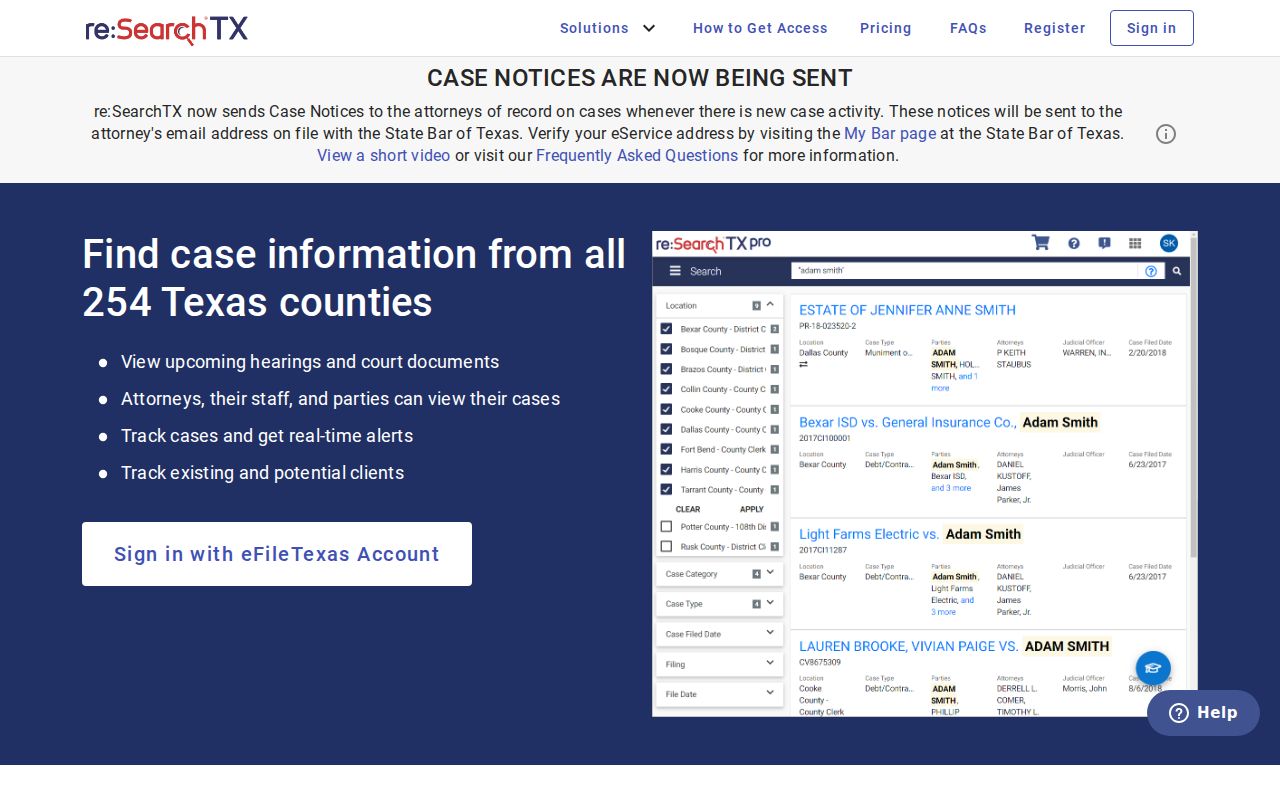
Its interface is useful for discovery, but the Live Oak County clerk remains the source for a complete local file and certified copy.
| Search Field | Use | Limit |
|---|---|---|
| County | Select Live Oak | Depends on county integration |
| Court | Narrow to the assigned court | The correct court may not be known at first |
| Case | Use an exact cause number | Formatting must match |
| Party | Search a defendant name | Names can produce false matches |
| Filing or Hearing | Filter events and dates | Public documents may be restricted |
Live Oak County Case Copy Costs
The cause number changes the cost at the District Clerk. A request without one carries a $5 search fee, and the office requires prepayment before it searches and releases records. It does not accept case filings by email, fax, or mail. That filing rule is different from sending an email record request. The County Clerk lists regular copies at $1 per page. Certification adds $5 plus the per-page charge.
County Clerk hours are Monday through Thursday from 8:00 a.m. to 5:00 p.m. and Friday from 8:00 a.m. to 4:00 p.m. Money transactions stop at 4:30 p.m. on Monday through Thursday and at 3:30 p.m. Friday because of daily audits. Call before a trip if a public terminal, older volume, or certified copy is needed.
The County Clerk page publishes the request channel, hours, and copy terms.
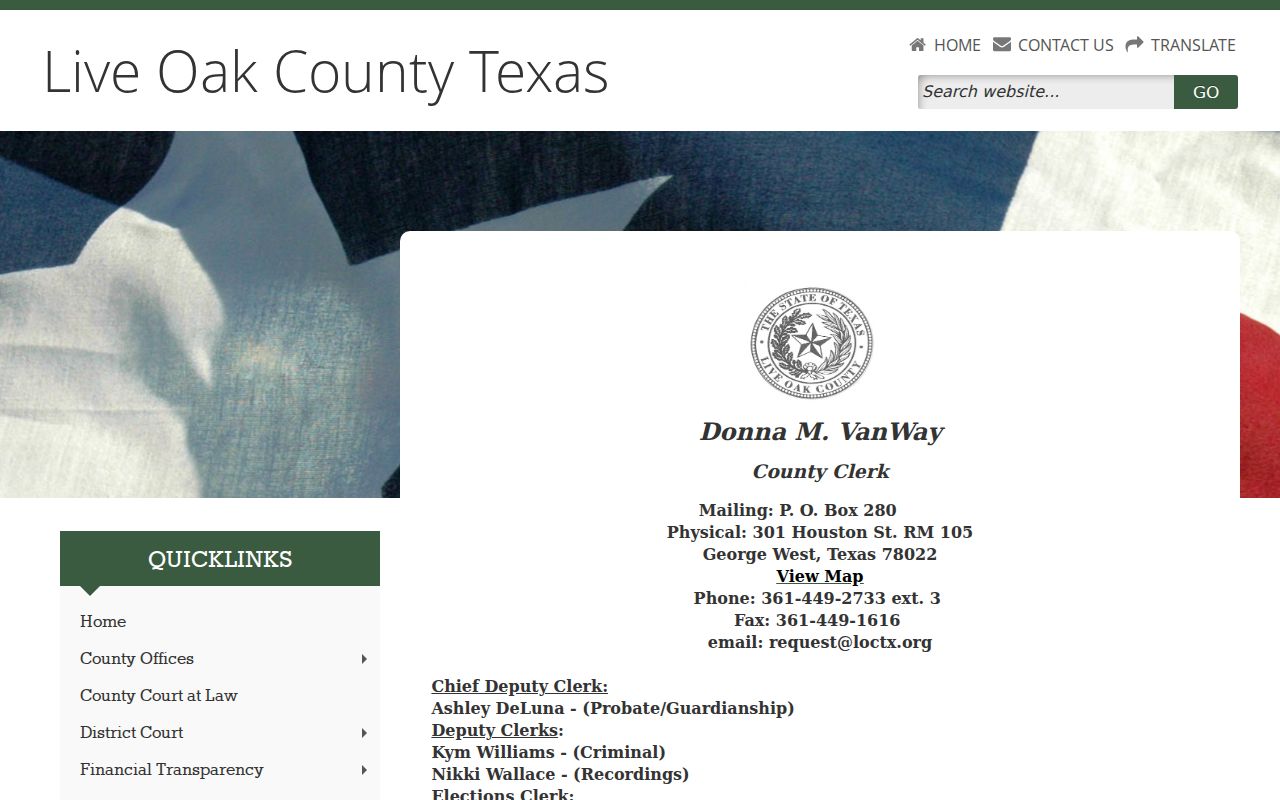
Those published transaction cutoffs can affect a same-day request even when the office itself remains open.
Inside a Live Oak County Case File
A useful criminal case file is more than a one-line index. The charging instrument shows what the state actually filed. The docket shows the sequence of court events. The judgment and sentence state the result. For a dismissed or reduced charge, obtain the signed order that explains the change. When deferred adjudication appears, read both the plea order and later discharge, adjudication, or revocation entry.
| Case Number and Court | Cause number, filing date, assigned court, case type, and status. |
|---|---|
| Charging Document | Complaint, information, or indictment, with the filed statute and offense class or degree. |
| Docket Entries | Settings, motions, counsel activity, pleas, hearings, and court orders. |
| Bond | Public bond amount, type, conditions, and forfeiture entries when present. |
| Disposition and Judgment | Conviction, dismissal, acquittal, no-bill, transfer, or deferred outcome. |
| Sentence and Costs | Confinement, community supervision, fines, costs, and restitution where public. |
Note: The filed charge and signed judgment carry more weight than the first allegation recorded during a Live Oak County booking.
Live Oak County Fine-Only Case Records
A fine-only citation can be missed when a search stops at Room 202 or Room 105. Live Oak County has four justice courts, and George West and Three Rivers each maintain a municipal court. These courts can hold complaints, citation dockets, judgments, capias entries, payment status, and fine-related orders within their jurisdiction. Ask the issuing court directly for the cause or citation number and current status.
The official justice court directory lists precinct contacts and payment routes.
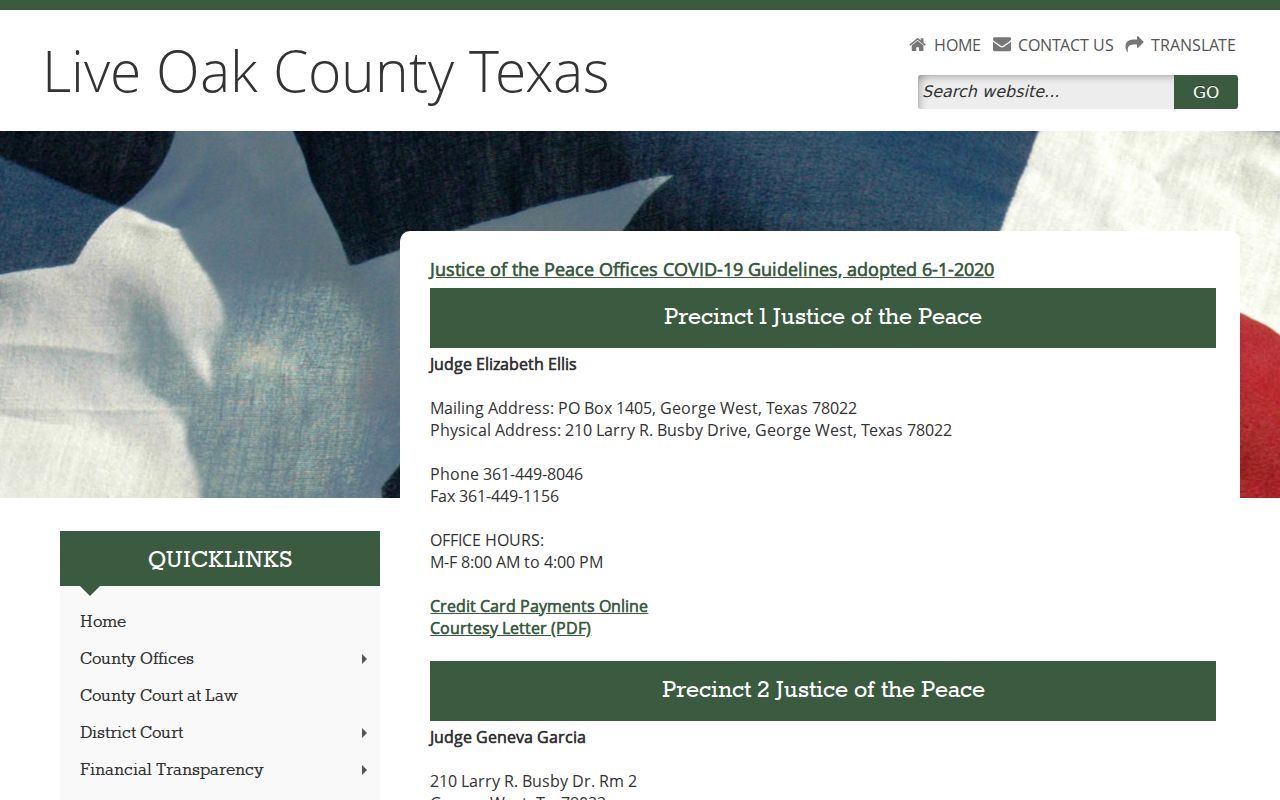
The directory shows why a countywide name check can require more than one clerk, especially when the issuing precinct is not known.
How a Criminal Case Moves
After law enforcement acts, a prosecutor decides which charge, if any, enters court. A felony can proceed by indictment in a district court. A Class A or B misdemeanor normally moves through a county-level court. Magistration and bond activity may appear before the final charging instrument. Pretrial motions and plea talks then shape the docket. A trial, plea, dismissal, or no-bill can end the merits, followed by a judgment and sentence when guilt is found.
Case flow: Charges Filed › Arraignment › Pretrial › Plea or Trial › Disposition › Sentencing
Later motions to revoke community supervision or adjudicate a deferred case create new docket events. An appeal also has its own record. Read dates and signed orders in order rather than treating the newest docket label as the whole case history.
Live Oak County Disposition Terms
Short court terms can change the meaning of a Live Oak County case. They should be read in the context of the signed order, not guessed from an arrest log.
- Indictment
- A grand jury's formal felony accusation. It is not a finding of guilt.
- Information
- A prosecutor's charging paper commonly used for a misdemeanor.
- Deferred adjudication
- A plea-based order that delays a finding of guilt while the person completes court terms.
- No-bill
- A grand jury decision not to return the proposed indictment.
- Dismissal
- An order ending a filed charge without a conviction on that count.
A dismissal does not by itself erase the arrest or every agency copy. Texas expunction under Chapter 55A or an order of nondisclosure under Government Code Chapter 411 may apply in some cases, but eligibility depends on the outcome and timing.
Live Oak County Federal Case Layer
Federal charges arising in Live Oak County do not belong to either county clerk. The county is in the Southern District of Texas, and federal dockets are searched through PACER. Registration is required, and the current federal fee page controls charges and any quarterly waiver threshold. The docket identifies the assigned division and courthouse.
The official PACER service is the source portal for federal case records.
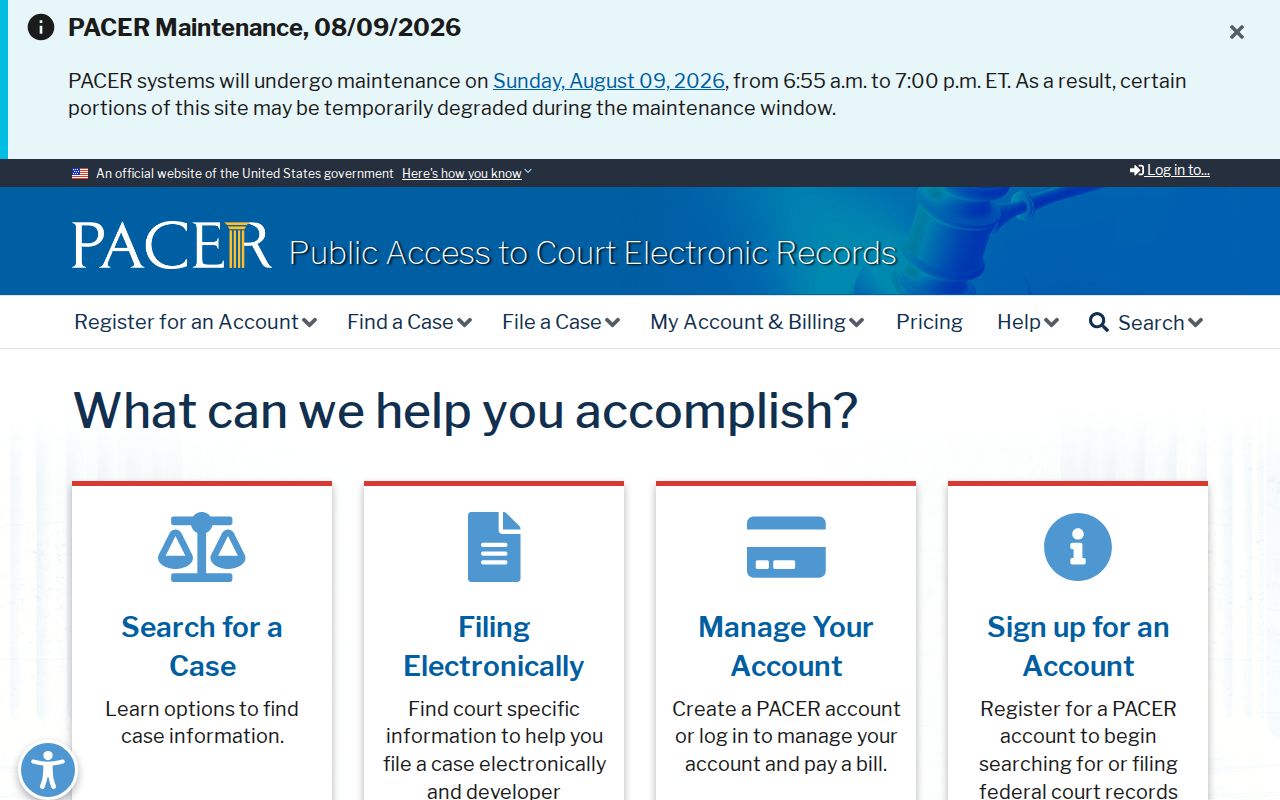
PACER is a separate federal layer, so its absence from a Live Oak County clerk search is expected rather than evidence that the case does not exist.
Case Record Access & Restrictions
Texas court files do not follow one broad open-records rule. The Texas judiciary explains that courts are not subject to the Texas Public Information Act for judicial records. Rule 12 governs judicial administrative records, while case files remain subject to court access law and rules. The Texas judiciary open-records policy explains that boundary.
Juvenile files, sealed or nondisclosed matters, victim and minor identifiers, Social Security numbers, medical information, and protected personal details may be withheld or redacted. An online view may contain less than the clerk's public paper file. Ask the custodian whether a record is off-line, archived, restricted, or held by a different court. The clerk can provide records and procedural requirements but cannot give legal advice.
For a broader trail from booking to filed charge, compare the judgment with the county's arrest lookup channels. The records answer different questions and should not be used as substitutes.
Note: A blank portal result is not a certified no-record finding and does not rule out a restricted, older, or lower-court file.